About Me
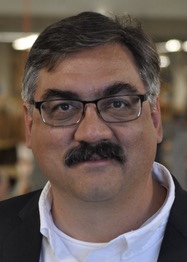
I am a business owner and digital commerce operator based for most of the year in Traverse City, Michigan.
For more than twenty years, I have built and managed companies in digital commerce, product development, wholesale, importing, fulfillment, and logistics. Before my business career, I studied and taught philosophy. Those two parts of my life may look unrelated, but they have always been connected by a set of habits: define the problem carefully, examine the assumptions, follow the evidence, and improve the system.
Today, my work spans ecommerce strategy, advertising, technology, inventory, fulfillment, shipping, product development, and the practical challenges of operating growing businesses.
Building digital businesses in the physical world
I am the founder and owner of ecommerce businesses serving the memorial-products industry, including Stardust Memorials and Reflections Urns & Memorials.
What began as an online retail business has grown into a broader operation involving direct-to-consumer commerce, wholesale distribution, marketplace selling, product design, contract manufacturing, importing, inventory management, personalization, warehousing, and fulfillment.
Much of my work takes place where digital systems meet physical operations.
A website may generate the order, but the work continues through product data, advertising, inventory, engraving, picking, packing, carrier selection, shipping costs, customer service, accounting, and the daily coordination required to make the entire system function reliably.
That intersection between commerce, technology, logistics, and human judgment remains one of my central professional interests.

From philosophy to entrepreneurship
I earned a doctorate in philosophy and spent years teaching at the college level.
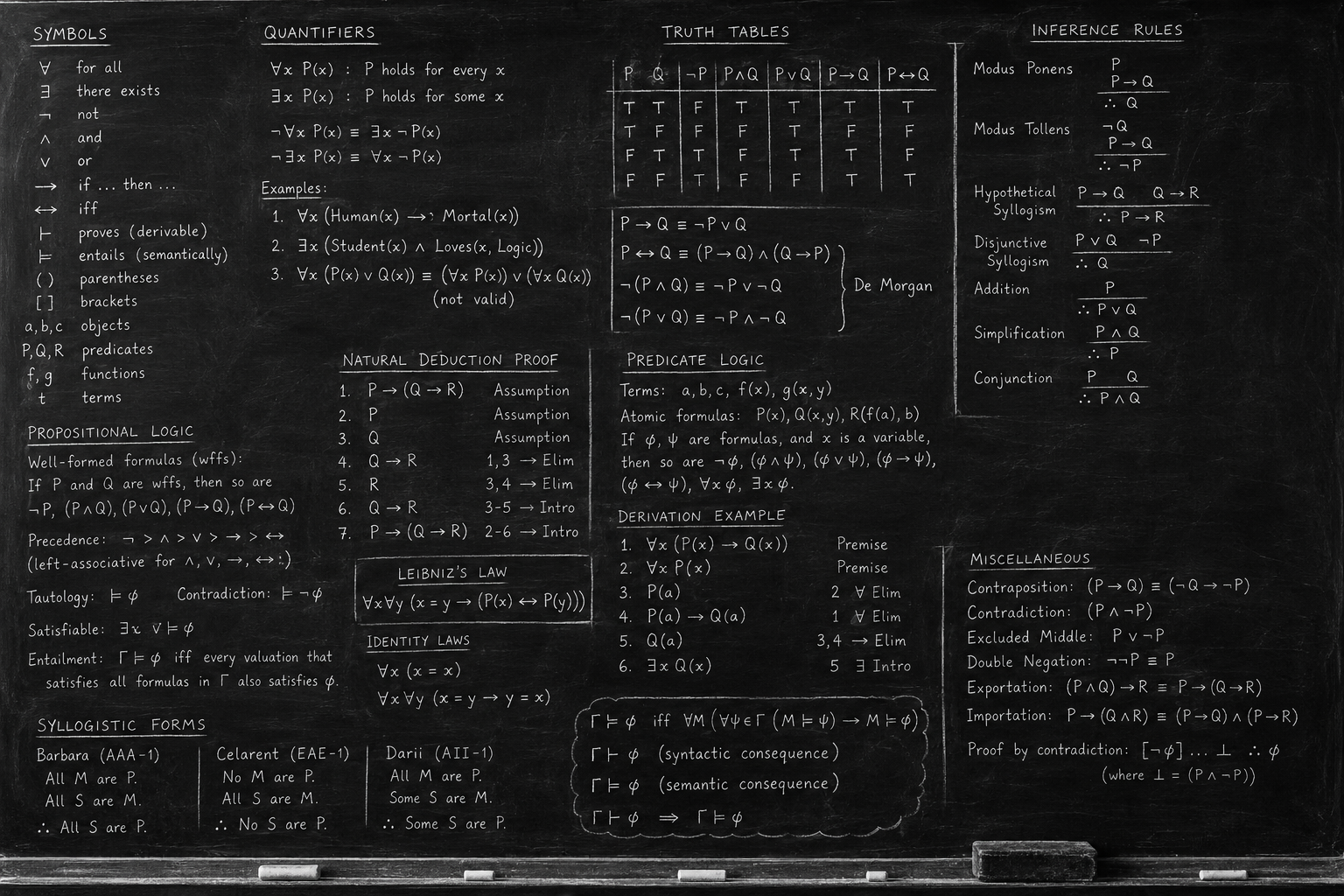
My academic interests included epistemology, metaphysics, logic, critical reasoning, and twentieth-century Anglo-American philosophy. I was drawn to questions about knowledge, evidence, language, explanation, and the standards we should use in deciding what to believe.
Although my career moved away from the university, philosophy never stopped shaping the way I think.
In commerce, many difficult problems are not solved by having more information. They require better definitions, clearer distinctions, stronger reasoning, and a willingness and ability to identify the assumptions hidden inside a process or decision.
The habits of philosophy have been unexpectedly useful in entrepreneurship.
To have a great idea, have a lot of them.”
Thomas Edison
How I approach problems
I am drawn to problems that are complicated enough to resist getting answered.
They are often the kinds of problems in which several things are true at once: the data is incomplete, the incentives are misaligned, the process has grown more complicated over time, and each proposed solution creates consequences somewhere else.
The first task in these situations is usually to define the issue more carefully. Companies often begin with a conclusion disguised as a problem: advertising is too expensive, the warehouse needs more people, the software is failing, the staff are making mistakes, or the market has changed. Any of those claims may be true, but they are not yet explanations.
The goal in these situations is to find out what is actually happening, how we know it, when it began, where the process has broken down, and what assumptions are invisibly being made in the current thinking.
That habit comes partly from philosophy. Philosophy teaches us to distinguish a claim from the evidence for it, a symptom from a cause, and a genuine explanation from one that merely sounds plausible (a “just so” story).
It also comes from operating businesses. In the real world, problems rarely remain confined to one department. A change in advertising can alter order volume. Order volume affects staffing and inventory. Inventory affects customer service and cash flow. Shipping decisions affect margin, delivery speed, and customer expectations. A solution that improves one metric may quietly damage three others.
My preference is for solutions that are practical, testable, and proportionate to the problem.
I am skeptical of dramatic changes made before the problem is understood. I would rather begin with the smallest change capable of producing useful evidence, observe the result, and then adjust. That approach reduces risk and makes it easier to learn what actually caused the improvement.
I also believe that a good solution has to work for the people expected to use it. A procedure that is theoretically elegant but too cumbersome for employees, too fragile for daily operations, or too expensive to maintain is not a good solution.
The questions I return to most often are:
- What problem are we actually trying to solve?
- What do we actually know, and what do we only think we know?
- Is this the cause of the problem or merely the place where the problem becomes observable?
- What incentives are shaping the behavior of the system and of the people operating within it?
- Where does otherwise valuable information get lost, delayed, distorted, or ignored?
- What happens elsewhere if we change this part?
- How will we know whether the change improved things?
- Can the people responsible for the process actually use the solution?
- What new risks does the proposed solution create?
I do not assume that every problem has a perfect answer. They rarely do. Often the real task is to understand the tradeoffs clearly enough to make incrementally better decisions: ones that are grounded in evidence, suited to the circumstances, and open to revision as new information appears.
Writing, research, and making things
My interests extend well beyond solving business problems.
I continue to write and think about philosophy, technology, commerce, history, and the practical consequences of ideas. I am also deeply interested in genealogy and family history, especially cases where records are incomplete, stories conflict, and evidence has to be assembled from many sources.
I enjoy building miniature book nooks, playing guitar, listening to music, fly fishing, golf, local history, and projects that involve learning how something works by taking it apart, rebuilding it, or following the evidence further than originally intended.

“The cost of being wrong is less than the cost of doing nothing.”
Seth Godin

Based in Northern Michigan
I live and work for most of the year in Traverse City, Michigan. I spend the winter months working from Southwest Florida.
Northern Michigan provides a useful counterbalance to digital work: water, woods, seasons, fishing, golf, local history, and a strong sense of place.
It is also where my businesses operate and where much of my professional and personal life comes together.
A continuing project
I do not think of my work as belonging to a single category.
I have been a philosopher, teacher, entrepreneur, product developer, importer, advertiser, warehouse operator, consultant, writer, researcher, and maker.
The common thread is curiosity joined to practical work: understanding how something functions, discovering why it fails, and finding a better way to build, explain, or preserve it.